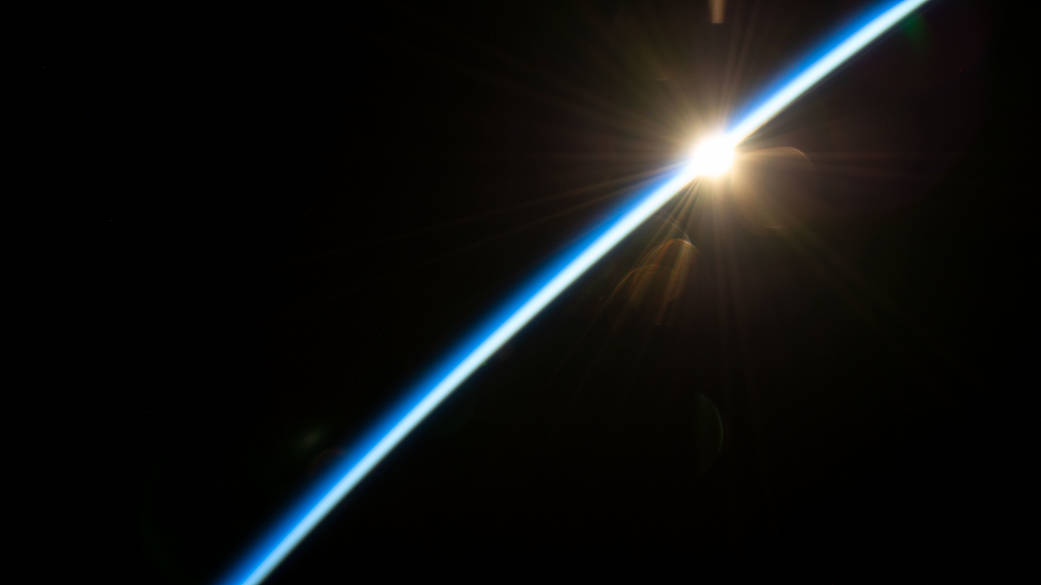
The physics
| Factor | Figure and assumption |
|---|---|
| Sunlight | About 1,361 W/m² above the atmosphere, near-continuous in a dawn-dusk orbit |
| Solar array | About 400 W/m² at roughly 30% cell efficiency |
| Heat rejection | Heat leaves only as radiation: a 300 K radiator rejects about 410 W/m² per face |
| Radiator size | A 500 W payload needs roughly 1.2–1.5 m² of radiator |
| Orbit | Low Earth orbit below 600 km; deorbit by natural decay at end of life |
Radiation, in layers
Shielding. A trade study compares aluminium, spot shielding and layered materials to find the lightest option that meets the dose target. Hardware. A supervisor circuit detects a latch-up, cuts power almost instantly and restarts the processor. Software. Error-correcting memory and checkpointing. Network. The mesh moves interrupted work to a healthy node, so a radiation event costs no work. Orbit. The mesh schedules sensitive work around the polar regions and the South Atlantic Anomaly.
Heat and energy
Low-power chips cut heat at the source; Heleospace designs them from Mesh workload data, and foundries manufacture them. Heat pipes carry it to deployable radiators, and a dawn-dusk orbit keeps the load steady. The mesh throttles work and routes it to nodes with thermal headroom.
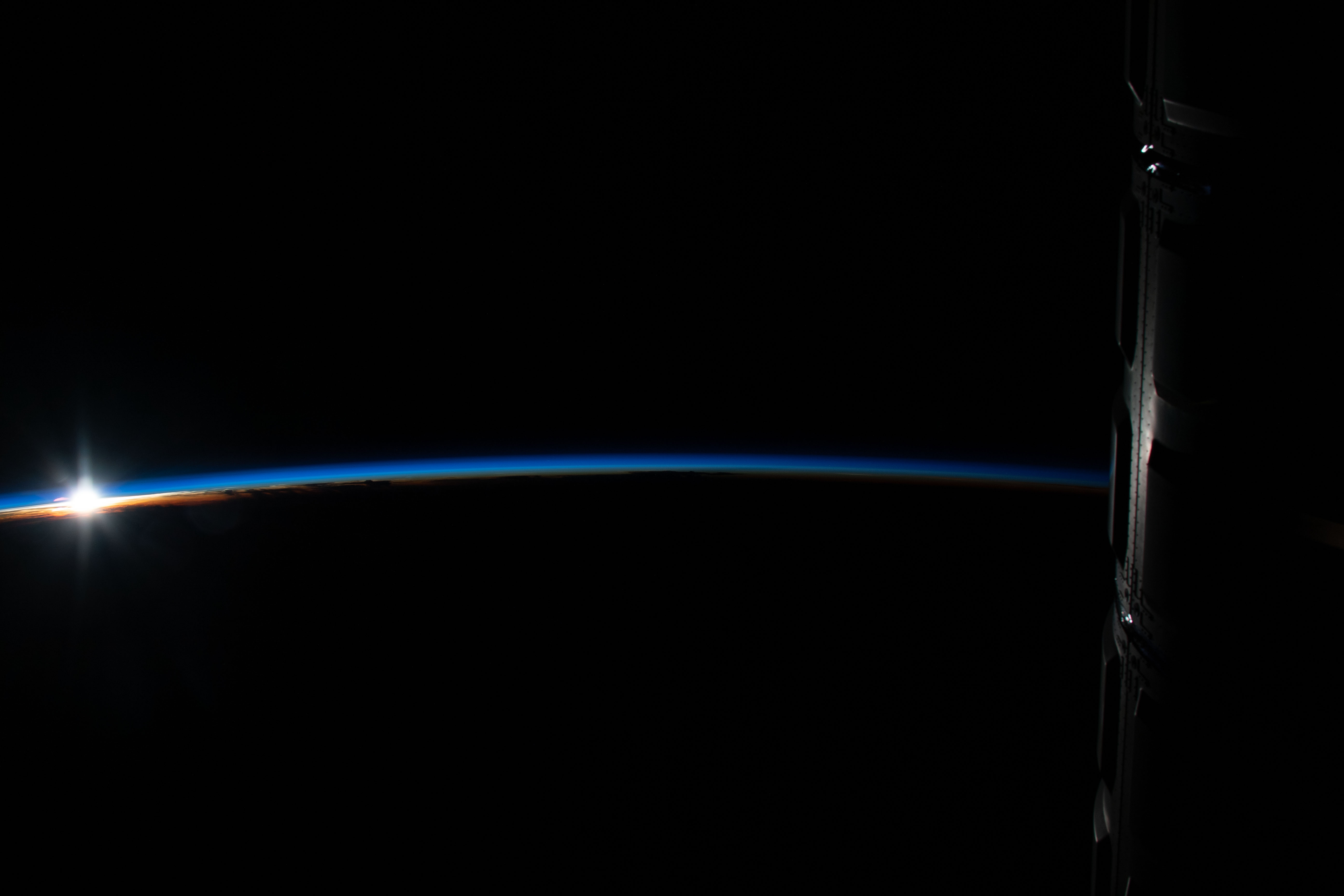
Heleo-1, the reference satellite
Heleo-1 is the reference satellite for the Heleo Mesh in orbit. It is a concept; none has flown.
| Satellite | Plan |
|---|---|
| Heleo-1 | First orbital demonstration, Year 3. About 60 kg on a commercial bus, rideshare launch, dawn-dusk orbit |
| Heleo-2 to Heleo-4 | Year 4. Inclined 53°, polar and near-equatorial orbits with inter-satellite links, so work can route across orbit planes |
Launch and servicing
Designed for rideshare missions with a launch partner. Satellites are replaced, not repaired; software updates go over the air; and the mesh routes around any failed node. Our economic model states the launch price at which orbital compute matches ground data centers as an explicit assumption: today orbital compute costs more per GPU-hour, and the case depends on launch costs falling.