Heleospace
The problem
AI compute is outgrowing the ground.
Demand for AI compute keeps rising. The ground cannot add power, cooling and land fast enough, and nothing yet lets machines on Earth and in orbit work as one system.
Power
New AI data centers wait years for a grid connection.
Cooling
Every new site needs large amounts of water and cooling.
Land
Sites near spare grid capacity are scarce.
Coordination
Orbital and ground nodes have no shared way to route work and pay each other.
The physics
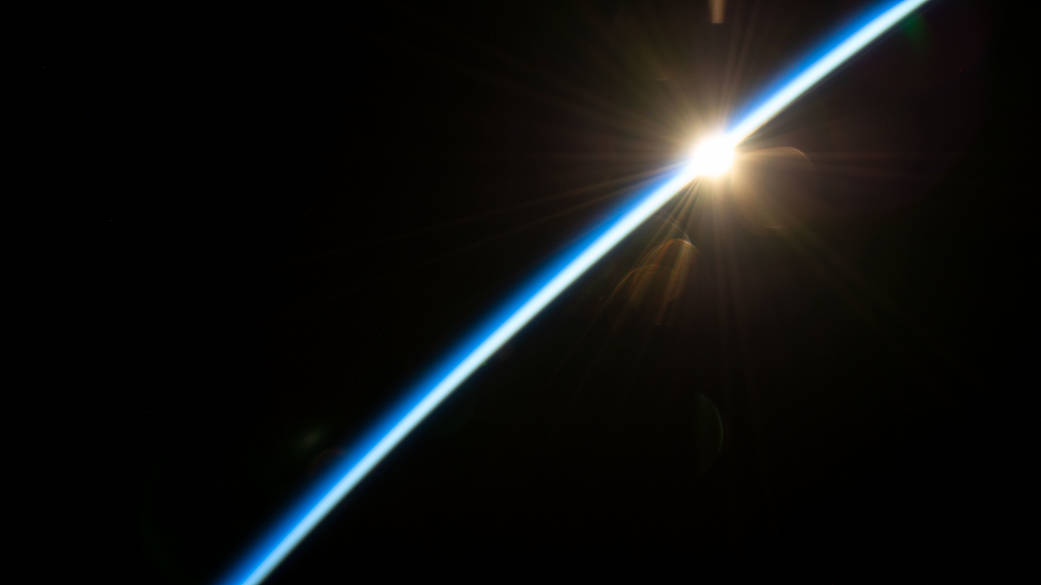
In orbit, the sun barely sets and space is the heat sink.
A dawn-dusk orbit keeps solar arrays in near-continuous sunlight, and heat leaves as radiation, with no water. The hard parts are radiation, heat at high density and launch cost, and that is where our research starts.
How it works
One network. Machines trade compute, energy and data.
A satellite with spare capacity, a ground data center short of power and a lab with a workload find each other, agree a price and settle in seconds, with no person in the loop.
Autonomous Mesh
Heleo Mesh, our open software, routes each piece of work to where it runs best, on Earth or in orbit.
Orbital and ground nodes
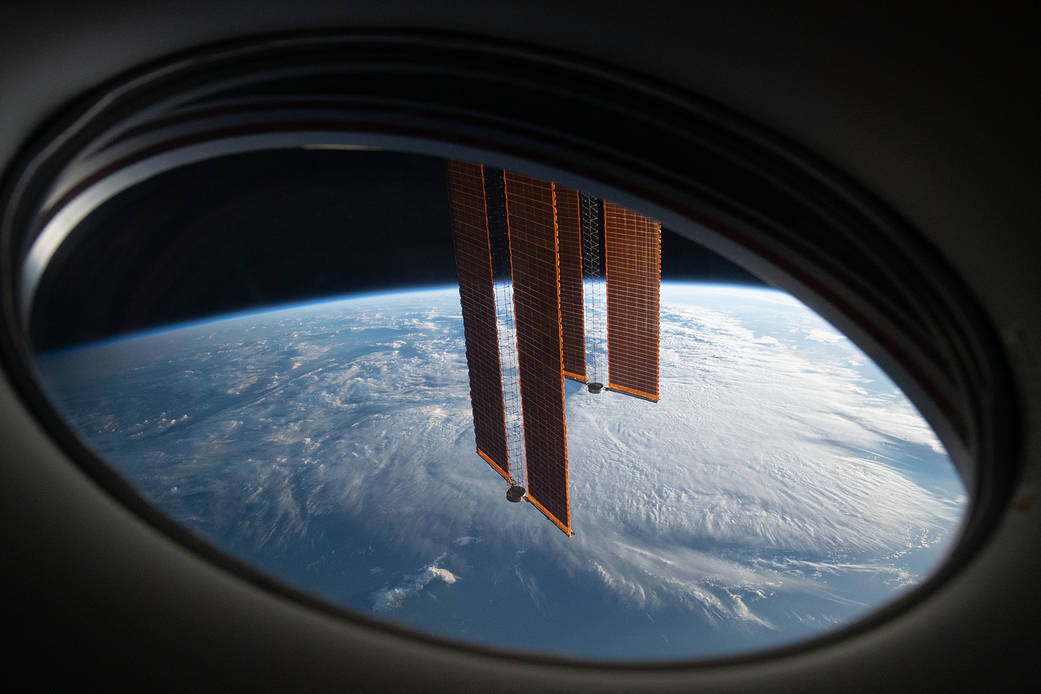
Solar-powered compute in low Earth orbit, linked with data centers on the ground.
Settlement
Machines pay and get paid for compute, energy, bandwidth and data, automatically.
Capital-light by design
Partners build the hardware. We build the network.
Partners supply launch, satellite buses and most data centers. Heleospace owns the layers that compound: the network, the settlement and the chip designs.
- HeleospaceHeleo Mesh and agents, settlement, node certification, chip designs, reference satellites
- PartnersLaunch, satellite buses, ground data centers, chip manufacturing
- TogetherChips designed from Mesh workload data and orbital heat limits
Why it lasts
Code can be forked. A working orbital economy cannot.
Hardware can be bought. A running network, with its nodes, settlement history and the labs that depend on it, takes years to build and grows harder to replace with every node that joins.
Network effect
Every node adds both supply and demand. Settlement history and node reputation stay in the network.
Testnet in Year 1Radiation- and heat-aware routing
The mesh moves work away from radiation zones and hot nodes, and recovers it without losing a payment.
Ground testbed in Year 1Open standard, certified network
Anyone can build on Heleo Mesh. Only Heleospace certifies nodes for the official network.
From incorporationData and flight heritage
Lab results, then orbital telemetry, improve routing. A new entrant starts with none.
First flight in Year 3Roadmap
Live on the ground. Then fly.
The Mesh and its agents go live on the ground in Year 1, alongside lab work with universities and government. The first orbital demonstration follows in Year 3. These are targets, not promises.
Mesh live
Agents, Mesh ID and AI inference routing; first certified ground data centers; lab validation.
Certified network
Ground network grows; machine-to-machine payments between partner nodes; in-house chip design.
Heleo-1
First orbital demonstration and first payments settled in orbit.
Heleo-2 to Heleo-4
Partner fleets join; inter-satellite links; national capacity; first Heleospace chip in certified nodes.
Open standard
The protocol for agents and ground-to-orbit compute, with recurring settlement revenue.

Research
Measured results, not claims.
Five Year 1 workstreams with university and government labs remove the barriers before the first flight.
- RadiationBeam tests of a low-power compute module
- ShieldingThe lightest option that meets the dose target
- Fault toleranceMesh recovery under injected faults
- Thermal-vacuumVerified heat limits per node
- SettlementPayments that stay correct when nodes fail
Running research of your own? See how we support it →
Updates
From the team.
Loading updates…

Work with us
Build the orbital economy with us.
Research labs, launch and chip partners, engineers and long-term investors: we would like to hear from you.