
Why machines need the Mesh
On-board compute runs out. Data does not.
A machine's own compute is limited by its battery and its heat. Fleets produce large volumes of driving and sensor data every day. Today a person signs a cloud contract on their behalf. In the Mesh, the machine buys what it needs, when it needs it, and settles automatically.
Limited on board
Battery and heat cap how much a robot or vehicle can compute while it works.
Data keeps growing
Cameras and sensors produce far more data than a machine can learn from on its own.
Pay as it goes
Machines find capacity on the ground or in orbit, agree a price and pay for verified work. Each machine carries a Mesh ID, so it can be trusted and paid.

Robotaxi fleets
Learn from every trip, overnight.
A fleet ends the day with hours of driving data. The Mesh finds capacity to train on it while the vehicles charge.
- Buys from the MeshOvernight training on the day's driving data; map updates
- Sells backIdle on-board compute while parked and charging

Delivery and logistics fleets
Plan the whole fleet, not one route.
Fleet-wide route planning and simulation need more compute than any single vehicle carries.
- Buys from the MeshFleet-wide route planning, simulation of new routes
- Sells backSpare battery energy at depots, road and sensor data
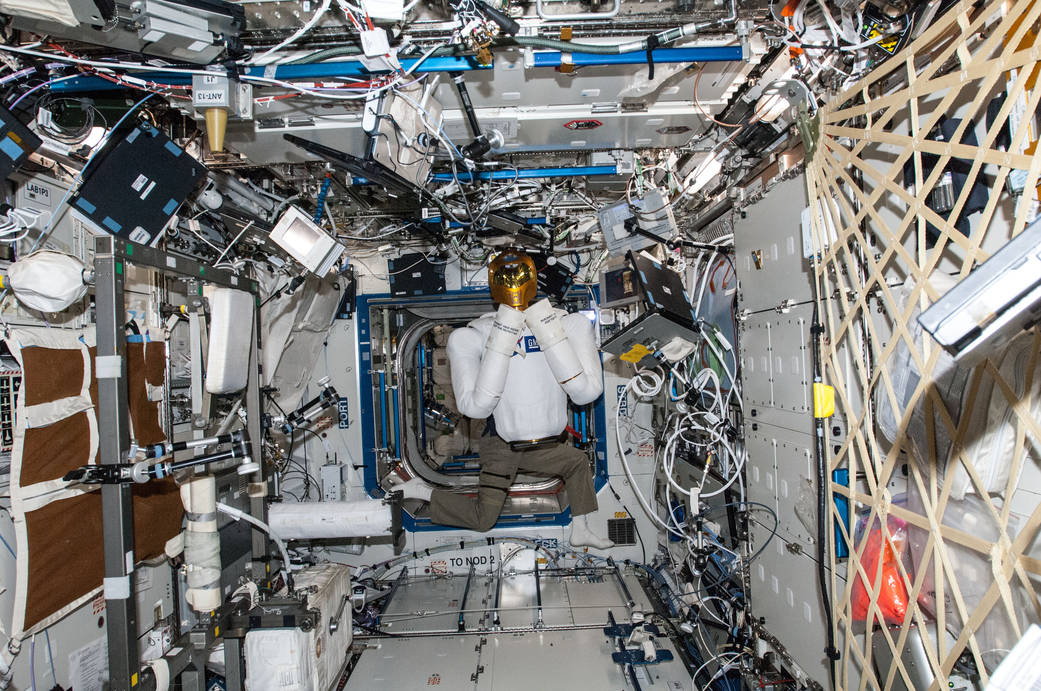
Humanoid robots
Think harder when it matters.
A humanoid handles balance and movement on board, and sends heavy reasoning and learning to the Mesh.
- Buys from the MeshHeavy reasoning, new skills downloaded when ready
- Sells backTask data that improves shared models

Legged robots at remote sites
Inspect where there is no network.
Legged robots inspect pipelines, mines and power lines far from ground networks. A satellite link and orbital compute bring the analysis to them.
- Buys from the MeshInspection analysis through satellite links
- Sells backSite imagery and sensor readings
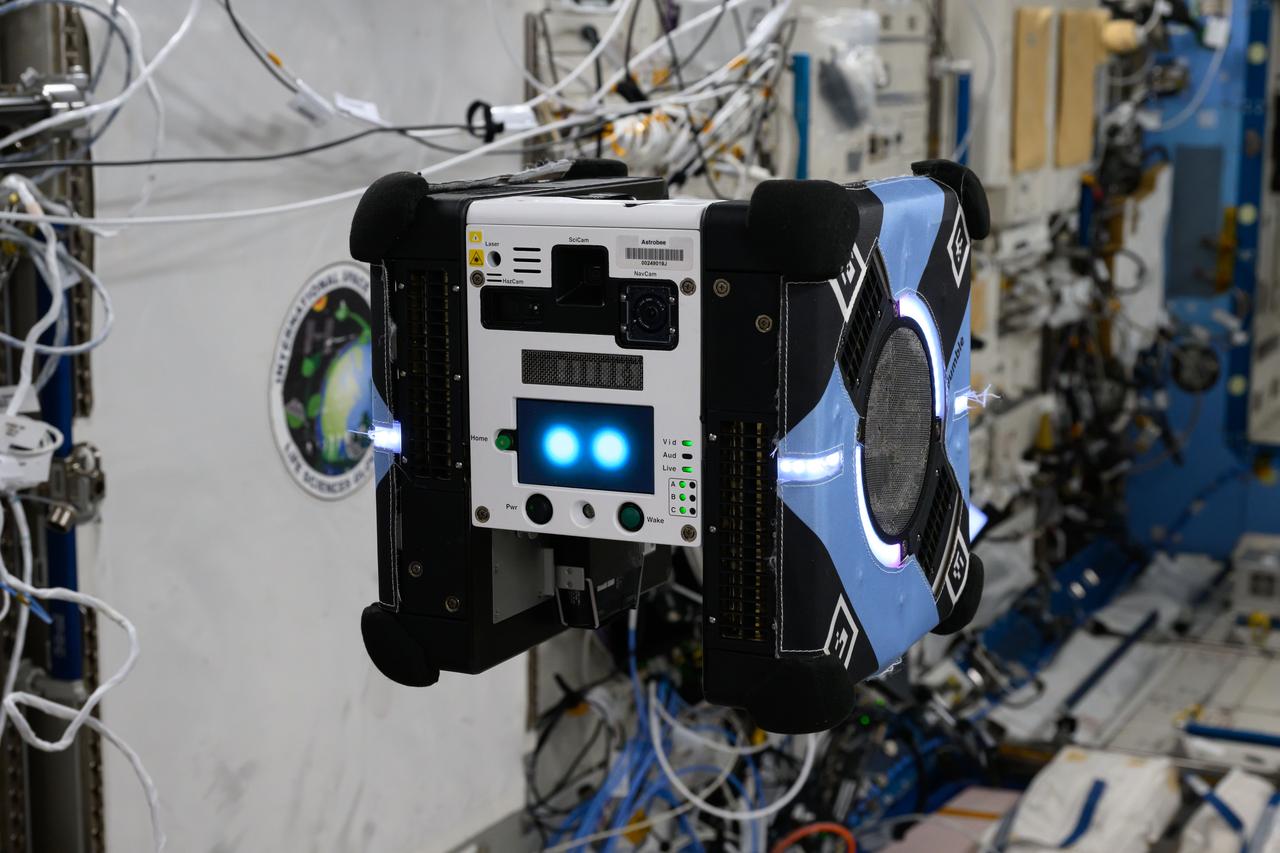
Drones and space robots
Process data where it is captured.
Drones and robots in orbit capture data far from any data center. Nearby nodes process it and send back only results.
- Buys from the MeshProcessing close to where data is captured
- Sells backSpare capacity while in sunlight
A night in the Mesh
A robotaxi parks. By morning it has learned.
An illustration of how a single job could flow through the Mesh. Times are an example, not a measurement.
Parks and charges
The vehicle uploads the day's driving data and posts a training job with a deadline and a maximum price.
Finds capacity
An orbital node in sunlight has spare compute. Its agent quotes a price; the vehicle's agent accepts and locks payment.
Trains
The job runs with checkpoints. If a node drops out, the Mesh moves the work to another node.
Verifies and pays
Checkpoints are verified and payment for verified work is released automatically.
Back on the road
The updated model is ready before the first ride of the day.
What stays on board
Real-time control never leaves the machine.
Even low Earth orbit adds tens of milliseconds and links come and go. Steering, balance and safety decisions always run on the machine. The Mesh is for work that can wait seconds, minutes or hours.
Milliseconds matter
Steering, braking, balance, obstacle avoidance, safety stops and anything that must answer in under about 100 ms.
Work that can wait
Training, map building, fleet learning, simulation, inspection analysis and heavy reasoning that can take seconds or longer.
Status
The market we are designing for.
Today the Mesh runs on ground nodes. Machine participants are part of our research and future pilots; the machines on this page describe who the Mesh is built for, not current customers.